MOS Techno Engineers supplies fully automated CO₂ Generation Plants to South Africa's beverage, food processing, mining, and industrial gas sectors — delivering 99.99% food-grade purity with capacities from 50 KG/HR to 2,000 KG/HR. Trusted by manufacturers across South & Southern Africa.
South Africa is the continent's most industrialised economy and a major hub for carbonated soft drinks, craft beer, wine processing, food manufacturing, mining, and automotive production — all industries with significant CO₂ requirements. MOS Techno Engineers designs and exports turnkey CO₂ Production Plants engineered to meet the demanding standards of South African industrial operations across Johannesburg, Cape Town, Durban, Pretoria, and Gqeberha (Port Elizabeth).
Our plants are designed for resilience in South Africa's unique operating environment — including load-shedding compatibility, LPG and natural gas fuel flexibility, and compliance with SABS and international food-grade standards. Each system is delivered as a fully factory-tested, turnkey solution with on-site commissioning and operator training by our engineers.
South African beverage producers and industrial gas companies choose MOS plants because they consistently deliver 99.99% food-grade purity compliant with ISBT standards — the benchmark required by Coca-Cola SA, PepsiCo SA, AB InBev South Africa, and Pioneer Foods. Our systems are built for uninterrupted 24×7 production, with automatic shutdown and restart sequences that protect the plant during Eskom load-shedding events.
Whether you are expanding a bottling line in Johannesburg, establishing a CO₂ supply for a Cape Winelands processing facility, or setting up industrial gas distribution in Durban, our CO₂ plants are available in capacities from 50 kg/hr to 2,000 kg/hr to match your exact production scale. We also serve as a regional gateway for projects in Zimbabwe, Zambia, Botswana, Namibia, and Mozambique.
A proven 5-stage process — from controlled combustion to food-grade liquid CO₂ ready for bulk cryogenic storage or cylinder filling operations in South Africa
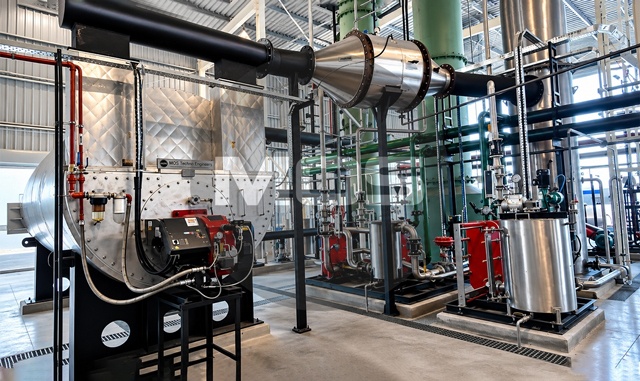
Fuel — LPG, natural gas, or diesel — is burned under precisely controlled conditions in the combustion chamber, generating a CO₂-rich flue gas stream as the raw feedstock for the plant.
The flue gas is scrubbed with water and soda ash to remove sulphur compounds (SO₂), then passed through the absorber tower where a lean MEA solution selectively captures the CO₂ content.
The CO₂-loaded MEA solution is heated in the stripper tower to release concentrated raw CO₂ gas, which then passes through an oil-free two-stage compressor and a high-pressure stainless steel purifier.
CO₂ passes through an automatic dual-column molecular sieve drier and an iV 1100 grade activated carbon filter — eliminating residual moisture, odours, and trace aldehydes to meet SABS and international food and beverage specifications.
Purified CO₂ is condensed into liquid form via an R404a refrigeration system and held at 18 bar / −24°C in insulated storage tanks, ready for cylinder filling or direct process supply.
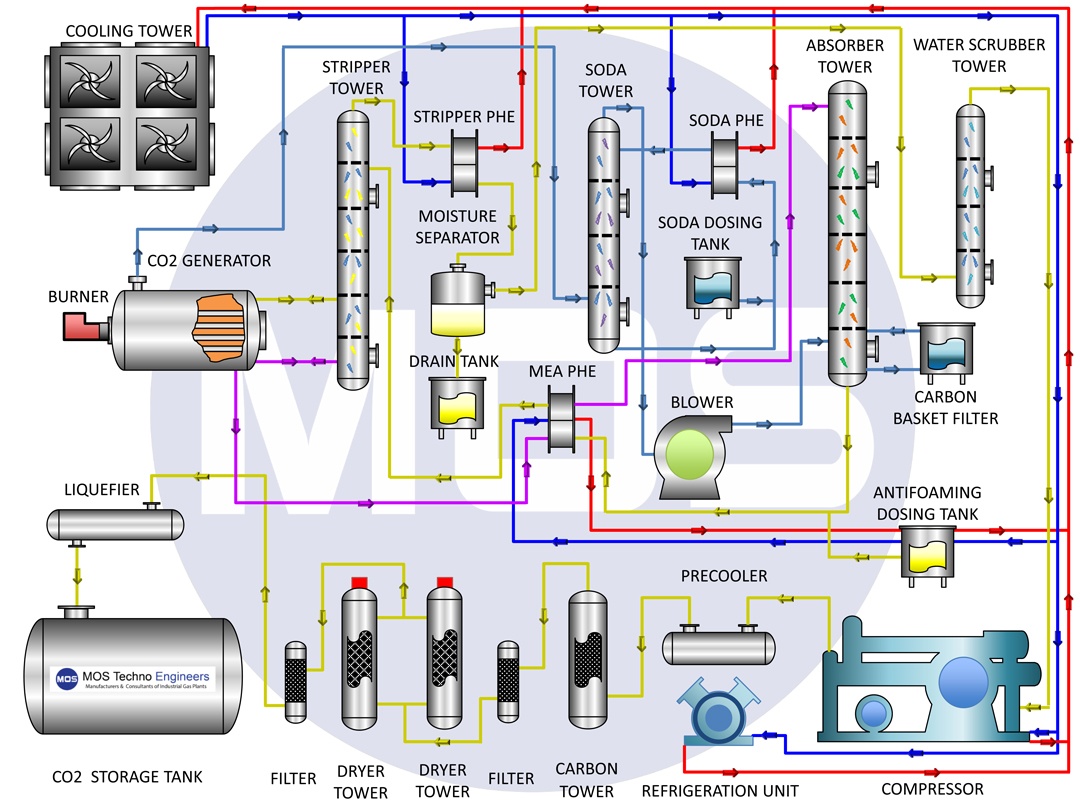
The CO₂ generation system recovers CO₂ from combustion flue gas in a continuous closed-loop process. Flue gas first enters the Scrubber Tower where it is washed with soda lye solution to strip out sulphur (SO₂) and cool the gas stream before it enters the absorber circuit.
Inside the absorber tower, lean MEA solution reacts with and captures the CO₂, while the remaining inert gases are vented safely. The CO₂-rich MEA solution is preheated via a plate heat exchanger before entering the stripper, where steam releases the CO₂ gas at high concentration. The gas is then compressed in a non-lubricated two-stage compressor to below 17.5 kg/cm².
Compressed CO₂ passes through an iV 1100 grade activated carbon tower to eliminate odour and aldehydes, then a dehydrater tower to achieve a dew point of −70°C to −80°C. The dried gas is chilled to −24°C in the liquefier, converting it into food-grade liquid CO₂ stored in a CO₂ storage tank — ready for South African beverage, food, and industrial applications.
Engineering features and support capabilities matched to South Africa's operating environment, energy infrastructure challenges, and world-class industrial standards
Our plants incorporate automatic safe-shutdown and controlled-restart sequences specifically validated for the type of grid interruptions caused by Eskom load-shedding. Seamless generator integration and orderly PLC-managed restarts mean zero product contamination and minimal production loss during power events.
South Africa's industrial gas infrastructure supports both LPG and natural gas as clean, cost-effective fuel alternatives to diesel. Our plants are engineered for either configuration — or multi-fuel switchover — giving Johannesburg, Cape Town, and Durban manufacturers the freedom to optimise fuel costs without plant replacement.
Dry-running compressors eliminate any risk of oil contamination in the CO₂ stream — a non-negotiable compliance requirement for AB InBev SA, Coca-Cola SA, and PepsiCo SA production lines, and for SABS-regulated food and beverage facilities operating to international standards.
We manage complete export documentation, shipping to Durban Port (the busiest container port in Sub-Saharan Africa), and in-country commissioning by our engineers — giving South African buyers a single accountable supplier from factory in India to first production run at your facility.
South Africa serves as a regional hub for plant commissioning and spare parts distribution across Southern Africa. Projects in Zimbabwe, Zambia, Botswana, Namibia, Mozambique, and Eswatini can be managed and supported through our South Africa logistics network — reducing lead times and import costs across the region.
Full PLC-based automatic operation with SCADA-ready architecture meets the operational sophistication expected by South Africa's advanced manufacturing sector — enabling remote monitoring, data logging, and integration with existing plant management systems across Gauteng, Western Cape, and KwaZulu-Natal industrial facilities.
Diesel-fired utility consumption across our full capacity range. All plants are custom-engineered for your exact South African site — contact us for a site-specific utility and fuel cost calculation.
| Production Capacity | Fuel — Diesel (kg/hr) | Water (m³/hr) | Power (kW) |
|---|---|---|---|
| 50 kg/hr | 17 | 0.5 | 35 |
| 100 kg/hr | 35 | 0.6 | 48 |
| 200 kg/hr | 70 | 0.8 | 80 |
| 300 kg/hr | 104.9 | 1 | 115 |
| 500 kg/hr | 175 | 1.25 | 180 |
| 1,000 kg/hr | 349 | 2.5 | 390 |
| 2,000 kg/hr | 1,745 | 3.5 | 552 |
* Figures shown are for diesel-fired operation. LPG and natural gas configurations — both widely used in South Africa — carry different consumption and cost profiles. Contact us for a South Africa-specific utility estimate and total cost of ownership analysis.
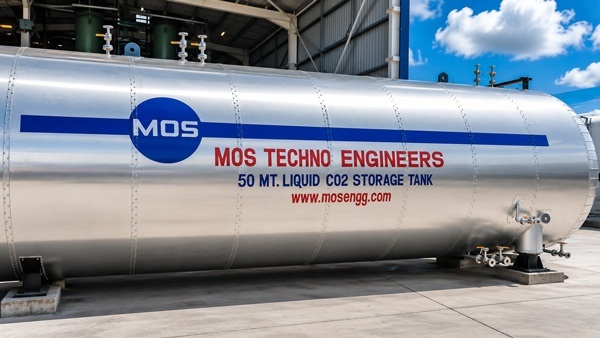
Stored at 18 bar (261 psi) and −23°C in insulated pressure vessels with active cooling assemblies and digital pressure monitoring — stable long-term storage across South Africa's varied climate zones, from the Western Cape coast to Highveld altitudes.
CO₂ gas compressed in a non-lubricated two-stage compressor to below 16.5 kg/cm², then fed to activated carbon towers at 18 bar for final purification before liquefaction.
Multiple automatic safety interlocks, pressure-relief circuits, and digital alert systems monitor the plant at all points — designed for unattended safe shutdown during Eskom load-shedding and seamless automatic restart on power restoration, meeting South African OHS Act requirements.
Centralised PLC control panel with SCADA-ready architecture enables one-touch plant operation, remote monitoring, and comprehensive data logging — meeting the operational and compliance reporting standards required by South Africa's advanced food and beverage manufacturing sector.
Need a detailed technical datasheet, utility estimate, or commercial proposal for a South African project?
Request South Africa Project DatasheetEvery CO₂ plant we export to South Africa is a fully integrated, ready-to-commission system. We supply comprehensive O&M documentation in English, in-country operator training, and commissioning supervision by our engineers at your South African facility — so your team is fully equipped to run the plant from day one.
The PLC control system manages every stage of CO₂ generation — regulating combustion, absorption, compression, purification, and liquefaction automatically, with alarms and interlocks protecting the plant and personnel in compliance with South Africa's Occupational Health and Safety Act standards.
From Johannesburg bottling plants to Cape Winelands processing facilities — our CO₂ systems serve South Africa's most demanding production sectors
Carbonated soft drink manufacturers including Coca-Cola SA, PepsiCo SA, and Pioneer Foods require consistent food-grade CO₂ supply across multiple production lines. Our plants deliver the volume and SABS-recognised purity standards mandated by global brand owners for South African franchise bottling operations.
AB InBev South Africa (SAB), Heineken Beverages, and the growing craft brewery sector across Johannesburg, Cape Town, and Durban depend on CO₂ for carbonation, tank blanketing, and packaging. Our plants are sized to match both large-volume brewery demands and artisan craft production scales.
South Africa's world-class wine industry in the Western Cape uses CO₂ for inert gas blanketing, carbonic maceration, sparkling wine production, and controlled-atmosphere storage. Food-grade CO₂ from our plants meets the precise requirements of premium wine estates and large-volume wine producers alike.
CO₂ cylinder filling stations and industrial gas distributors across South Africa — supplying the welding, engineering fabrication, fire suppression, mining, and pharmaceutical sectors — use our plants to produce and bottle CO₂ for regional and national distribution networks.
Modified Atmosphere Packaging (MAP), food freezing, chilling, and preservation operations in South Africa's large agri-food processing sector require food-grade CO₂ at scale — from fresh fruit export packaging in the Western Cape to meat processing facilities in Gauteng and the Eastern Cape.
South African municipalities and mine water treatment operations use high-purity CO₂ for pH correction and neutralisation of alkaline process water. Mining and petrochemical facilities in Mpumalanga, North West, and Limpopo use CO₂ for pH control, chemical synthesis, and dry ice production for perishable logistics applications.
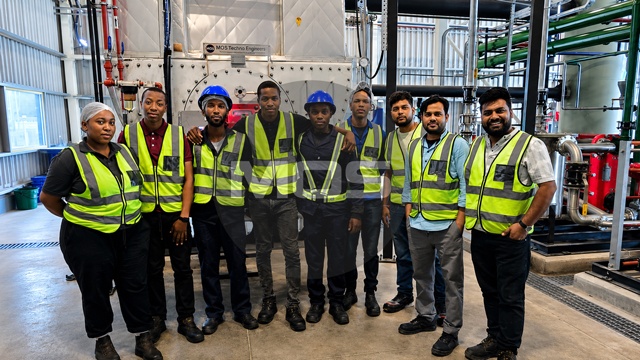
We don't just ship equipment — our commissioning engineers travel to your South African facility to install, test, and hand over a fully operational plant. Local operator teams receive structured, hands-on training before our engineers leave site. South Africa also serves as our Southern Africa support hub for projects in neighbouring countries.
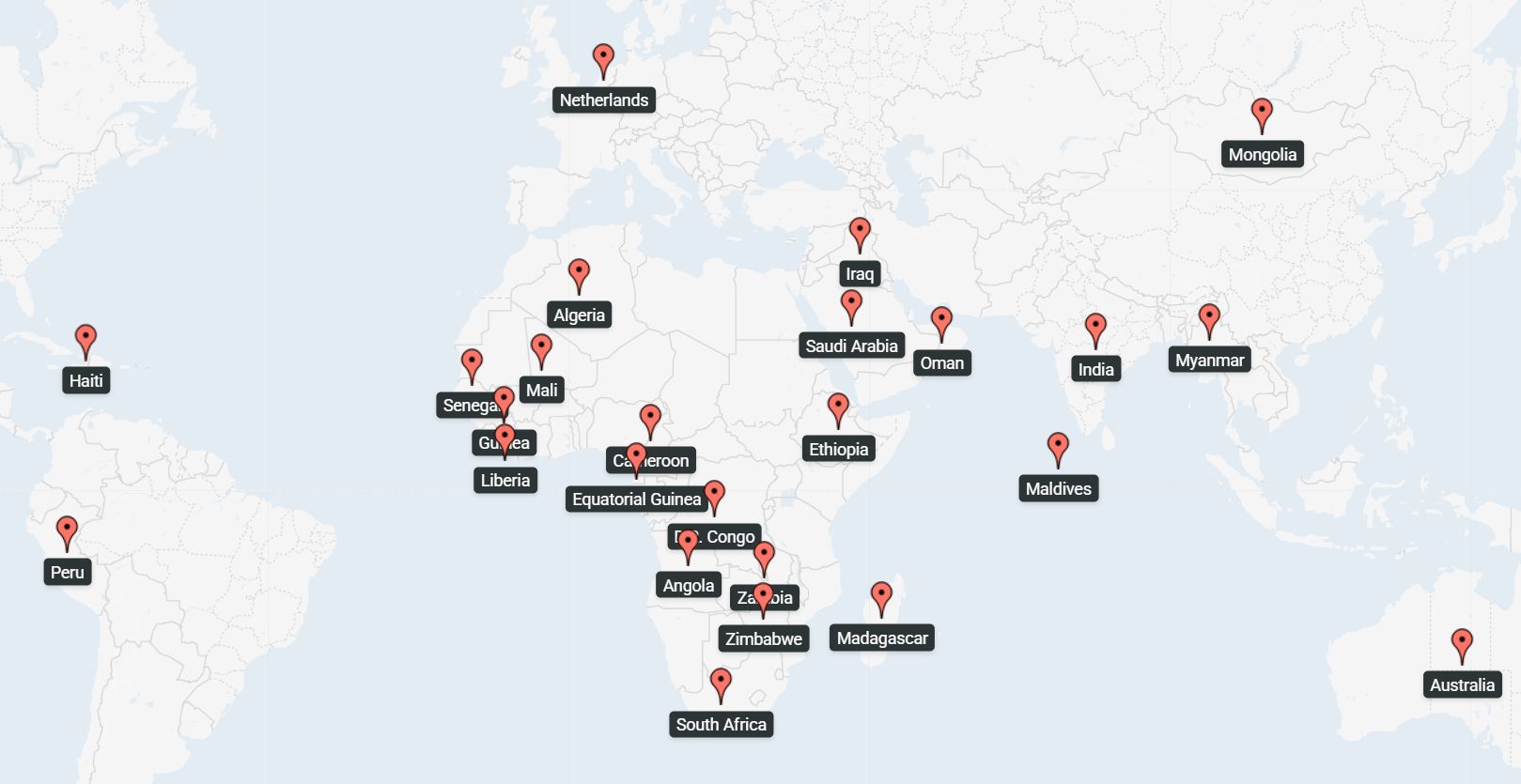
MOS Techno Engineers has commissioned CO₂ plants for major CSD manufacturers and industrial gas producers across Sub-Saharan Africa and beyond — all built and tested to ISO 9001:2015 standards.
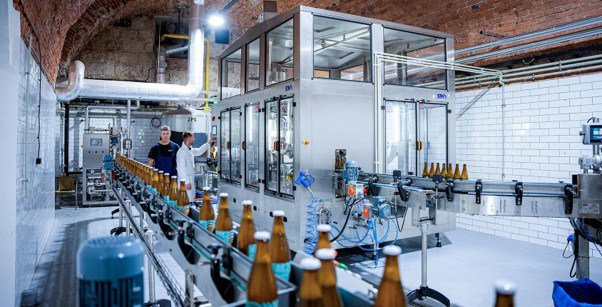
CO₂ Carbonation System in a CSD Bottling Plant
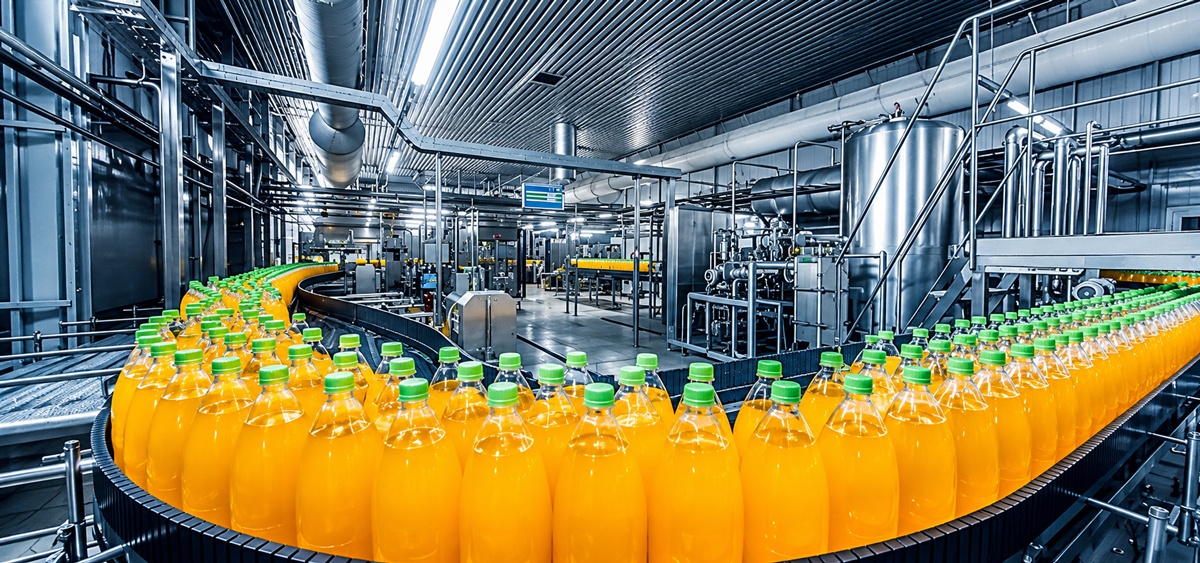
High-Speed CSD Filling & Bottling Line
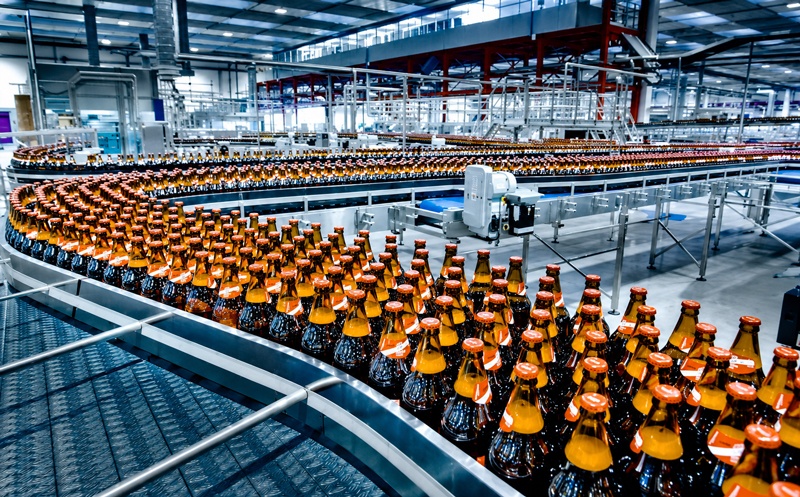
Full-Scale CSD Manufacturing & Bottling Facility
Every MOS CO₂ plant shipped to South Africa is designed, manufactured, and tested to internationally recognised standards — meeting the compliance requirements of global beverage brands, SABS-regulated food producers, and South African industrial gas distributors operating under NRCS oversight.
Rigorous incoming inspection of all raw materials, pressure vessels, and instrumentation before fabrication commences — no substitution without engineering approval.
All pressure vessels undergo hydrostatic testing and all gas circuits undergo pneumatic leak testing before the plant is cleared for export to South Africa.
A full purity analysis and quality certificate is issued for every plant prior to dispatch — confirming ISBT-compliant 99.99% food-grade output accepted by SABS-regulated manufacturers.
All safety circuits, pressure interlocks, and alarm systems are independently verified and function-tested — including load-shedding shutdown and restart sequences — before the plant leaves our facility.
Each plant completes a full production run at our works — validating capacity, purity, utility consumption, and control system behaviour before shipment to South Africa.
Full compliance documentation, P&IDs, O&M manuals, certificates of origin, and inspection reports supplied with every plant exported to South Africa for ITAC and customs clearance purposes.
Questions we receive from South African beverage manufacturers, industrial gas producers, wine producers, and project developers
Tell us your required capacity, preferred fuel source (LPG, natural gas, or diesel), purity grade, and site location in South Africa. Our engineers will deliver a full technical and commercial proposal within 24 hours — free of charge, with no obligation.
Send your South Africa project requirements
Request a South Africa Quote Now